

Part 6: Activity 4.3: Cultivating Your Community Garden
Table of Contents
Every gardener knows that what grows tomorrow depends on what we tend to today. This activity helps you notice the relationships already growing in your everyday life and identify where you might plant a few new seeds of connection.

Part 1: Mapping your community network?
Take a moment to think about your daily routines – the people you greet, serve, or pass by regularly. You might be surprised by how many connections are already growing around you – there’s usually more fertile soil for planting than we realize. Even a quick nod to the barista, a chat with a neighbour, or a familiar face on your commute counts.
In your workbook, use the template to draw a quick map of your community connections. Include:
- People you interact with often
- People you see occasionally and speak with casually
- People whose names you don’t know but whose presence feels familiar
The video below shows an example of how to complete your map.
Tip: Don’t worry about making it perfect. Even a rough sketch can help you see how much connection already exists in your day-to-day world – and how many seeds of belonging are ready to grow.
Now, reflect:
- How do these relationships contribute to your own sense of belonging?
- How might consistency and recognition help you and people on your map feel part of something larger?
Part 2: Plant and nurture flowers
Now it’s time to plant some flowers of your own.
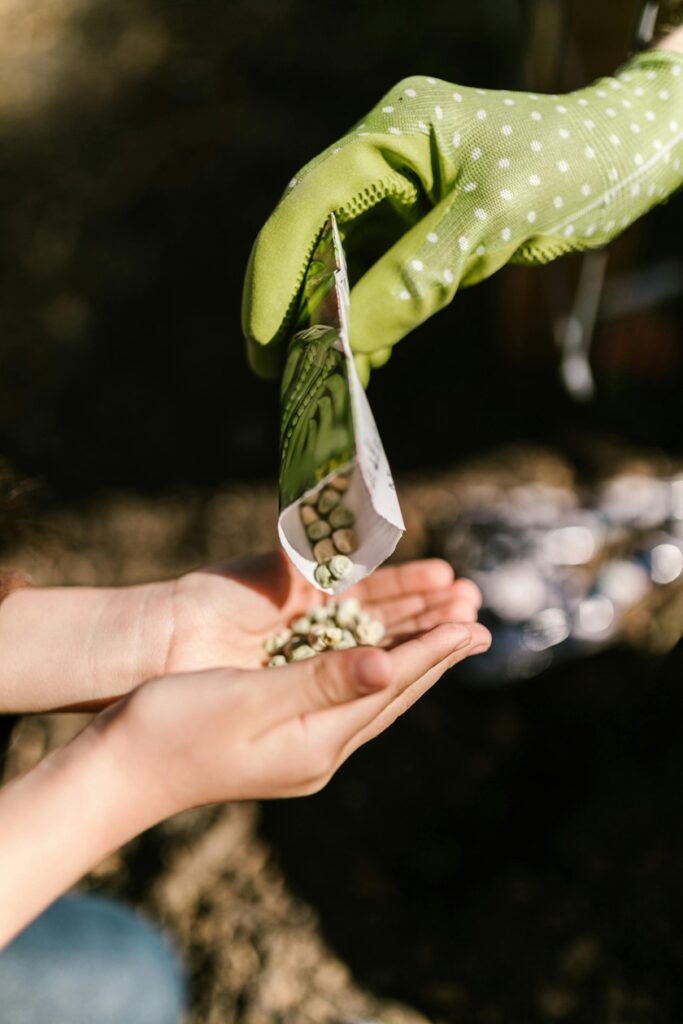
Choose one community relationship you’d like to strengthen — someone you see often but don’t yet know well. Write a mini action plan in your workbook:
- Who is the person or group?
- What small, consistent action could help build trust?
- How will you follow up and maintain that connection?
Session Conclusion
In this session, you’ve seen how relationships and consistency form the roots of a Supportive Community. Every smile, every moment of patience, and every act of care helps build trust, and trust creates safety.
You don’t need to know someone personally to make a difference, but the stronger our everyday connections, the better prepared we are to notice change, offer reassurance, and support one another with dignity and compassion.